The Spirits industry is currently undergoing massive changes. No longer are we in a time where liquor was the main option available to those looking to savor the intricate tastes and scents of high-quality produced drinks. In our modern, health-conscious society, the demand of alcohol-free alternatives is exploding. This huge shift is creating numerous opportunities in this European Union (EU) and United Kingdom (UK) alcohol-free spirits market.
The boom in Alcohol-Free Spirits
The rise of Non-Alcoholic Alternatives
The heightened interest in spirits that are alcohol-free can be attributed to the growing awareness of the adverse effects of drinking alcohol can have on the health and well-being of people. Increasingly, individuals are adopting an approach that is mindful of their consumption of alcohol, focusing on the quality of their drinks over the quantity. Because of this, the spirit market that is alcohol-free has seen incredible growth.
In recent times, consumers have shown a marked preference for alternative drinks that allow them to experience the diverse flavors and sensory experiences traditionally related to spirits, all without the effects of alcohol. The juniper-like notes of gin or the rich, smoky whiskey notes, these alcohol-free alternatives are designed to mimic the taste and aroma of alcohol.
This shift in statistics is evident. The demand for alcohol-free spirits has grown exponentially, and a myriad of brands have emerged to meet demands. Notably, established distilleries have also joined the movement by utilizing their knowledge to craft premium alcohol-free spirits that are suited to discerning palates.
the Health and Lifestyle Change
While the increase in alcohol-free drinks is partly fueled through the desire for delicious alternatives, a healthy lifestyle is now a major influencer. Numerous consumers are opting to choose alcohol-free alternatives to live the healthy lifestyle, prevent the effects of hangovers, and to reduce the amount of alcohol consumed.
The trend towards healthier lifestyles extends to the broader wellness movement where people prefer self-care and mindfulness. When it comes to this, choosing non-alcohol spirits lets them play with the art of mixing and making cocktails but without compromising their health.
As markets continue to evolve, opportunities abound for businesses who are able tap into this health-conscious consumer base. The urgency of securing the opportunities is never more evident.
How to Understand how to navigate the EU as well as the UK Market
Market Overview
Before we dive into the specific opportunities in these markets, EU and UK alcohol-free spirits market, it’s vital to understand the current market conditions. Both regions have witnessed significant growth in the use of spirits without alcohol.
In the EU countries, such as Germany, France, and Spain have emerged as significant sources of alcohol-free options. These countries, which are known as having rich culinary traditions and a love of fine spirits as well as their fine wines, have been embracing alcohol-free spirits with enthusiasm. Many brands responded with providing an array of alcohol-free products to serve the needs of these markets.
The UK is a vibrant country, with a vibrant drinking culture and an enthralling consumer interest in wellness is also a popular destination for alcohol-free spirits. London is a prime example. It is witnessing the rise of special alcohol-free bars and establishments and is indicating the growing demand for sophisticated alcohol-free drinks.
Regulation Landscape
The process of navigating how to operate in EU and UK market for alcohol-free spirits requires an understanding of the regulatory framework. The rules governing the production labels, marketing, and production of alcohol-free spirits may differ among regions and countries.
In the EU producing alcohol-free spirits often falls under the same regulations as alcoholic drinks. This means they must meet stringent quality standards as well as labeling requirements. It’s imperative for businesses to be in compliance with EU regulations to have access to this market.
In the UK the regulatory landscape is heavily influenced by EU regulations and legislation in the country. The use of clear and accurate labeling is especially essential to let consumers know the amount of alcohol contained in products.
Knowing these regulations is essential when it comes to businesses wanting to grow throughout the EU and UK alcohol-free spirit market. The compliance not only guarantees legality, but also creates confidence with consumers.
After we’ve explored the dynamic growth and development of the market for alcohol-free spirits and set the scene with a foundational understanding in how to navigate the EU as well as the UK markets, it’s time to explore the specific opportunities to be found in these regions. In the next section, we will uncover the new segments of consumers driving sales and product innovations that are changing the market marketplace.
Follow the news to take advantage of the chance to make the most of it and realize your full potential to profit from this exciting market.
Elevate Your Wholesale Game: Source Premium Alcohol-Free Spirits Directly from Swedish Distillers!
“niche” Markets and emerging trends in the EU and UK Alcohol-Free Spirit Industry
As we have explored how to navigate the EU and UK spirits market that are alcohol-free, we’ve already uncovered the overarching rise in this sector, inspired by health-conscious shoppers and conscious drinking. Now, it’s time to look deeper into this vibrant market and understand the niche segments and new trends that are shaping the market.
The Craft Alcohol-Free Spirit Movement
Artisanal Excellence without Alcohol
One of the most exciting developments within the alcohol-free spirit market is the rise of producers who are dedicated in the development of exceptional alcohol-free alternatives. These makers bring the exact amount of passion and expertise to alcohol-free liquors as traditional distillers bring to their alcohol counterparts.
Craft alcohol-free spirits can be distinguished by their complex and refined flavor profiles. They often contain botanicals herbs, and spices carefully distilled to perfection. These products are not just substitutes, but distinctive creations by themselves which appeal to the discerning drinkers who want a refined, drinking experience without alcohol.
Craft Distilleries along with Experimental Products
Craft distilleries across the EU and UK are in the forefront of this movement, experimenting with novel ingredients and new distillation techniques. If it’s a gin-based alternative infused with exotic botanicals or a whiskey-inspired drink with smokey undertones. These offerings are pushing the boundaries for alcohol-free spirits.
People are attracted to craftsman-made products due to their authenticity as well as transparency and a enthusiasm for quality. By assisting these producers the consumer feels a connection to the art and are open to exploring unique flavor profiles that commercial brands do not provide.
Targeting Niche Consumer Segments
The rise of Zero-Proof Cocktails
As the increase in demand for alcohol-free spirits as does the demand in zero-proof cocktails, also known as “mocktails.” This trend is especially popular among bars, restaurants, and even at home mixologists. Crafting creative, alcohol-free cocktails is now a fine art, in addition, the requirement for top-quality alcohol-free spirits to complement these drinks is rising.
Zero-proof drinks aren’t just for non-drinkers or designated drivers These drinks are for everyone seeking a refreshing and sophisticated drink that isn’t influenced by the impacts of alcohol. They are popular in both the EU and UK the rising popularity of cocktail that are zero proof has led to collaborations between bartenders along with alcohol-free spirit brands to develop innovative recipes and enhance the overall drinking experience.
Attracting the Health-conscious Generation
The health-conscious consumer segment has been a key factor in the success of alcohol free spirits. The group is focused on well-being and mindfulness, seeking products that reflect their values and lifestyle choices.
Brands that emphasize the positive health benefits of their alcohol-free spirit, for example reduced calories, as well as the lack of health risks associated with alcohol could attract the attention of this demographic. In addition, partnerships with health and wellness influencers and professionals can enhance brand credibility.
The Environmental and Sustainability Goal
Environmentally Sustainable Production as well as Packaging
Environmental consciousness is a crucial factor in influencing consumer choices within the EU as well as the UK. Brands operating in the alcohol-free spirit industry are responding by adopting sustainable practices in both the production process and their packaging.
Craft distilleries are in particular have a strong commitment to sustainability. They are sourcing locally whenever possible, reduce water usage, and use environmentally-friendly distillation techniques. Innovations in packaging, such as recyclable and biodegradable materials, are also gaining momentum.
Stay Ahead of Curve
As we progress around and through EU and UK alcohol-free spirit markets, it is evident that niche markets and new trends are driving the transformation of this industry. From craft distillers redefining non-alcoholic spirits to the rise of zero-proof cocktails and the growing emphasis on sustainability, there are plenty of opportunities for businesses that can innovate and adapt to the changing needs of the market.
In the next section we’ll examine the importance of branding and marketing strategies that appeal to the target public, and expose the major challenges and solutions that are needed in this expanding market.
Watch this space as we discover how to position your alcohol-free spirit brand to be successful within EU and UK. EU as well as the UK.

Marketing and branding strategies that are applicable to EU and UK Spirits alcoholic-free
Our research into and analysis of EU and UK alcohol-free spirit market we’ve found the growing demand for these unique drinks as well as the growth and popularity of craft alcohol-free spirits, and the specific segments of consumers that are driving the growth of this market. Now, it’s time for us to get into the realm of branding and marketing strategies that could set your alcohol-free spirit company apart in the midst of a highly competitive market.
Building a Strong Brand Identity
Artistic and Authenticity
In the age of alcohol-free spirits, crafting an engaging brand identity is crucial. Consumers are drawn to brands that ooze craftsmanship authenticity, integrity, and a genuine commitment to quality. To establish your brand as an authority in your market be sure to consider the following methods:
- “Tell Your Story” Share the story behind your brand, emphasizing the passion and commitment to creating the alcohol-free spirit you want to sell.
- Transparency Transparency: Be open about your production processes, ingredients and the source. Transparency builds trust among consumers.
- Visual Identity Make an investment in an attractive logo and packaging that conveys the uniqueness of your brand’s values.
Releasing Emotions
Alcohol-free spirits are frequently associated with positive feelings like joy, happiness, and mindfulness. You can leverage these emotions to reach out to your audience on a more profound levels:
- Emotional Storytelling Storytelling: Create stories and marketing strategies that resonate with the emotional consequences of drinking spirits that are alcohol-free. Inspiring moments of joy tranquility, and connection with others.
- Inclusionary Messaging Highlight that your alcohol-free spirits are for everyone, whether they choose not to drink or are designated drivers or simply prefer an alternative that is healthier.
Effective Marketing Strategies
Digital Presence and Content Marketing
In the modern age of technology an online presence is vital. Your brand must be visible and visible on a variety of online platforms:
- Search Engine Optimization It is a good idea to invest in a user-friendly website that showcases the products you sell, provides complete details, and has an area for blogs to provide content marketing.
- Social Media Engagement: Be sure to keep active and updated social media accounts to stay in touch with your community make valuable content available, as well as run targeted marketing campaigns.
- Education Content: Create content to inform consumers about the benefits, flavors as well as the range of options available to you with your alcohol-free spirits. This could include blog articles as well as infographics, videos, and blog posts.
Collaborations and Partnerships
Collaboration with brands that are similar to yours and influencers is a great way to increase your influence and reputation:
- Collaborations with Bartenders In collaboration with bartenders, you can work to create cocktail recipes that are completely alcohol-free with alcohol-free spirits. These partnerships can be a source of excitement and draw mixologists as well as cocktail enthusiasts.
- Influencer Partnerships: Identify influencers in the wellness lifestyle, lifestyle, and alcohol-free sector who share your brand’s values. Create with them authentic content that can be more accessible to a broader audience.
Navigating Challenges and Looking ahead
The market for alcohol-free spirits can provide a huge opportunity but it also has some challenges. There are still some consumers who have assumptions about the flavor and the quality of alternatives that are alcohol free. To overcome these obstacles, it requires perseverance, patience and constant improvement.
In our next section we’ll examine some of principal challenges faced by the sector and provide solutions to overcome the issues. In addition, we’ll take a look at potential future developments for both the EU and UK spirits that are alcohol-free and anticipate the trends that will influence its development.
Stay tuned as we equip you with knowledge and strategies you need to succeed in this dynamic and thrilling market.
Opportunities and Strategy in the EU and UK Alcohol-Free Spirit Market
While we’ve explored the world of alcohol-free spirits in the EU and UK we’ve acknowledged the surging popularity of these innovative beverages and uncovered the most important aspects of branding and marketing strategies. Now it’s time to address the challenges that brands face in this competitive marketplace and develop strategies to tackle them.
Problèmes in the Alcohol-Free Spirit Industry
Consumer Untruths
One of the most significant challenges is misinformation from consumers about the quality and taste of alcohol-free spirits. Many people associate these beverages with blandness or unappealing flavors. For this reason, it is important to consider the following strategies:
- Taste Education educate consumers on the variety of flavors and the complexities of spirits that are alcohol-free. Organise tasting events and virtual tastings to showcase the quality and richness of your product.
- sampling programs Sample-sized bottles or packs, allowing clients to sample spirits without alcohol before making the purchase of a complete bottle.
Regulatory Compliance
Navigating the complicated regulatory environment surrounding alcohol-free spirits can be quite a challenge. Rules regarding labeling and distribution and production differs by country. To ensure compliance,
- Consulting Legal Experts to seek legal counsel or regulatory experts with expertise in laws governing alcohol and beverages to ensure your brand complies to all rules and regulations.
- Proper Labeling Create transparent and comprehensible labels that accurately depict the alcohol content and ingredients.
Competition and Distinguishing
With the rise of the market for alcohol-free spirits, the competition is growing. To be noticed:
- Products Innovation Continuously innovating through the development of new flavors, packaging, or unique manufacturing methods.
- Differentiation: Highlight what sets your brand apart. This could be sustainability initiatives, exclusive ingredients or a memorable branding story.
Strategies for Defying Issues
Consumer Education
A well-informed consumer is much more likely to choose alcohol-free spirits. Take a look at these strategies for education:
- Online resources: Develop comprehensive online materials that explain the manufacturing process, the ingredients and potential health benefits of your products.
- Customer Service Customer Support: Provide outstanding customer support, addressing inquiries and concerns promptly.
Sustainability Initiatives
Customers are increasingly conscious of sustainability. Encourage eco-friendly practices
- Eco-Packaging Use environmentally friendly packaging materials, and clearly express your commitment to sustainability.
- Local Sourcing Source ingredients locally whenever possible, which helps reduce the carbon footprint of your business.
collaborations and partnerships
Collaborations can amplify the impact and credibility of your company. Consider:
- Retail Partnerships Join forces with retailers in order to promote your merchandise prominently in retail stores or on the internet.
- Industry Alliances: Join industry associations and alliances to stay updated and connect with other alcohol-free spirits brands.
It’s The Next Step for Alcohol-Free Spirit Market
As we address these challenges and come up with strategies to overcome them, it’s vital to consider the future. In the next part we’ll discuss the future of the EU and UK spirits market that are alcohol-free while identifying trends that are emerging and opportunities for brands to keep a close eye on.
Keep watching as we chart the exciting direction that lies ahead for this thriving and changing industry.
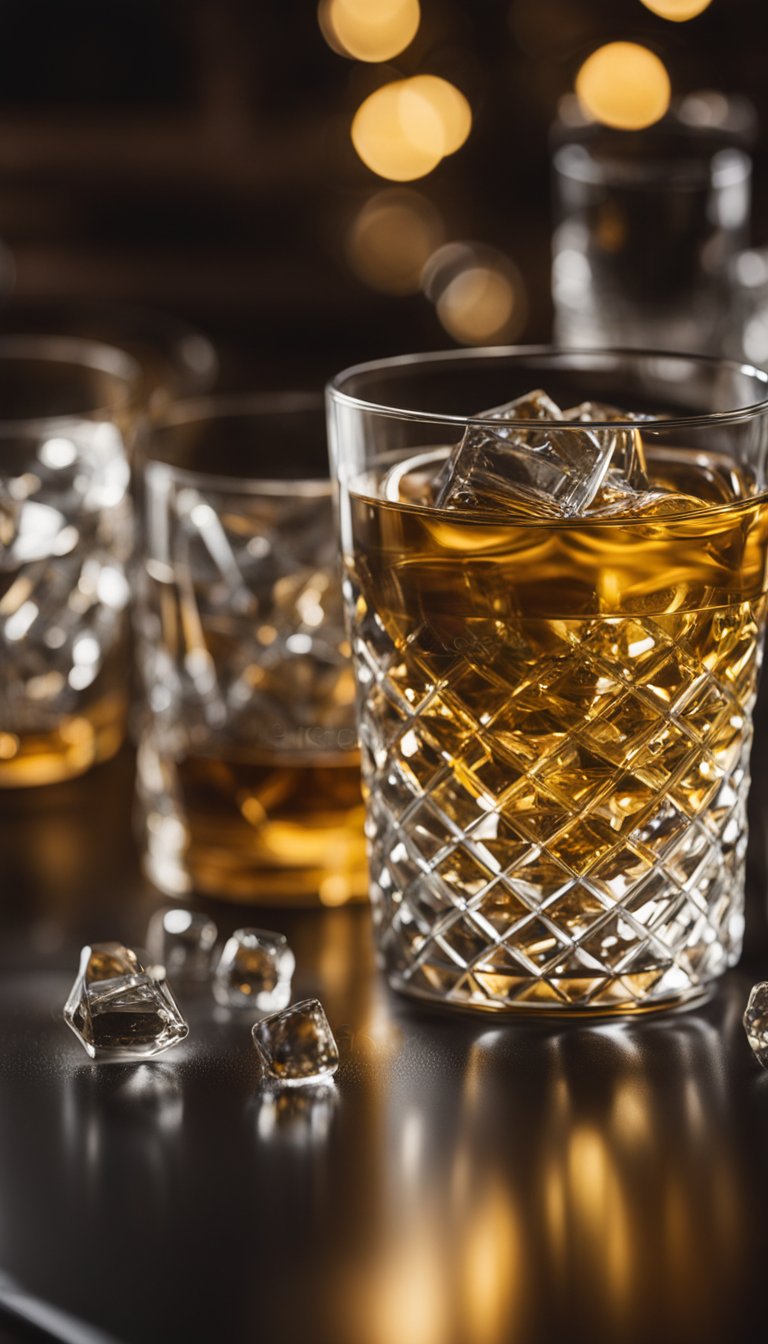
The future of the EU and the UK Affirmative of Alcohol Free Spirit Market: Trends and Opportunities
As we come to the end of our exploration of the EU and UK alcohol-free spirit market, we turn our attention to the future, where new prospects and new trends await brands in this rapidly growing industry.
Emerging Strategies in the Alcohol-Free Spirit Market
1. Diverse Flavor Profiles
In the years ahead we will see more diverse flavors to hit the market. Taste buds of consumers are becoming more adventurous, and brands are responding to this with unique botanical blends with exotic fruit infusions as well as aromatic herb.
2. Premiumization
The same way that the trend of premiumization led to a shift in the alcoholic spirit industry that we have seen, we expect the same shift in the alcohol-free market. Brands will make investments in high-end ingredients and manufacturing techniques and provide customers with a high-end experience.
3. Sustainability as an International Standard
Sustainability is no longer an individual selling point, but a standard expectation. Brands that emphasize eco-friendly practices by sourcing ingredients sustainably and using recyclable packaging will get an edge in the market.
4. Mocktail Culture
The popularity of alcohol-free cocktails or mocktails is predicted to continue. These sophisticated and alcohol-free alternatives are taking off in restaurants and bars offering a major potential for alcohol-free brands to collaborate with establishments.
Opportunity on the Horizon
1. International Expansion
With the EU and UK markets growing companies should think about expanding their presence internationally. Markets in Asia as well as Middle East, Middle East, and North America hold great promise for alcohol-free spirits.
2. Health and Wellness Partnerships
Collaborations with wellness and health brands, influencers, and even events could help alcohol-free spirit brands reach healthier consumers looking for alternatives to alcohol-based drinks.
3. E-Commerce Dominance
The development of e-commerce is providing an excellent opportunity for direct-to consumer sales. Brands need to invest in user-friendly websites, web-based marketing strategies, and ecommerce to take advantage of this growing market.
Recap and Conclusion Recap
In this five-part series we’ve journeyed through this EU and UK liquor-free market, uncovering its rapid growth in terms of branding and marketing strategies, the obstacles and strategies for overcoming these challenges. We’ve also explored emerging trends and opportunities that are waiting for the brands operating in this exciting industry.
The enticement of alcohol-free spirits in Europe is undisputed. As consumers seek healthier, more responsible drinking options, the market continues to thrive. Brands that embrace innovation, quality in their products, sustainability, and international expansion will be better placed to flourish in the years to follow.
We thank you for taking with us on this exciting journey through the world of alcohol-free spirits. We hope this article given you some valuable insight and motivation to navigate the ever-changing and fascinating market.
Leave a Reply